1. The Aboriginal people faced many injustices when the European's arrived and had no rights. These Aboriginal people were often pushed off their land and were not paid as much as the Europen white settlers were paid. This violates human rights because they are clearly doing the same work and are not being treated equally before the law, right #7. They also were treated poorly and threatened with guns for doing absolutely nothing wrong which also violates human rights because they were always in the face of danger for nothing. This violates #3 because they did not have the personal security they are granted. Also, these people had the risk of being taken from their homes at any times. This is a major violation because they own the right to these houses and the Europeans were not following the Aboriginal laws which was unfair.This is a violation of right #17, right to own property.
2. The civilization of Australia during this time is very similar to how the Native Americans were "civilized" in the United States. Just as the Aboriginal people were pushed out of their land and stripped of their property, the Native Americans were also forced to relocate during the settlement of America. We did not treat the Native Americans well, which is similar to how the Aboriginal people were treated. We would mistreat these Native Americans and convict them of crimes they did not commit. Also we forced them on to land that they did not want to be on such as reserves or settlements where they could not hold rituals as they could on their native land.
3. I do not believe the relocating of the Aboriginal people was fair and I do not believe it was for their own betterment. These actions were not justified because I personally believe that children should not be removed from their homes because it is a violation of their rights. Just think, if today children were to be taken from their homes and relocated, no one would have it and everyone would oppose it. That is exactly what it was like for the Aboriginal people, they had the same feelings as parents today and felt like they were being stripped of something great in their life, their children. It is not morally right to interfere with a family and change the path that they are on, one should be allowed to live their own free life without living in fear of being taken from their home.
Sunday, May 8, 2011

Invasive Species in Australia and America
 |
| Zebra Mussels-Invasive Species in America |
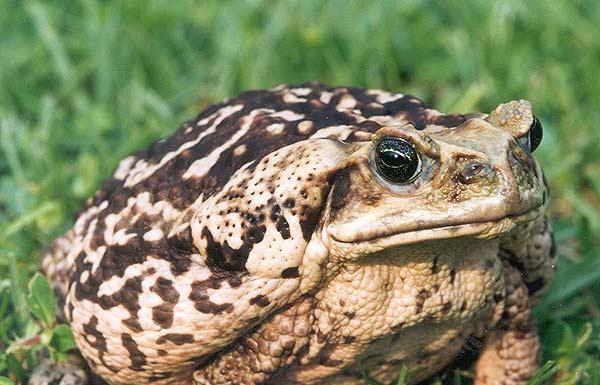 |
| Cane Toad- Invasive Species in Australia |
Cane Toads are invasive species in Australia along with rabbits, foxes, and cats. There were introduced to Australia in 1935 from Hawaii. They bred immediately and in a couple months there were over 100 toads. Since their release, they have bred so much that there are over 200 million of these cane toads in Australia. They were brought into Australia in an attempt to control the native cane beetle and were brought from Hawaii. They have expanded through Queensland, and reached the borders of New South Whales and the Northern Territory. The long-term effects of these toads are difficult to determine, however there are multiple reports in declines of the snake population after the toads were introduced. These toads are invading many habitats such as Varanus panoptes, which is a snake. A solution to the cane toad is to let them eat eachother, because many of these toads wiggle their toes and other toads mistake them for an insect and eat them.
An invasive species in America is the Zebra Mussel. These filter feeders affect native mussels in America by interfeering with feeding, growth, movement, respiration, and reproduction. These mussels starve the native population.. Once these zebra mussels are established in a body of water, there is little to do to get them out, so it is crucial to prevent them from being introduced in the first place. Boaters can take precautions by making sure their motors are free of zebra mussels.
Invasive species are something we should be worried about because they could affect animals that we eat or our pets that we have. They could eventually become invasive to us. We can relate our issues to those in Australia because they are basically the same thing except with different animals, and overall it is somehow effecting our ecosystem.
Sunday, May 1, 2011
Great Barrier Reef-Blog 2
VIDEO 1
1. A polyp looks like an upside down jelly fish and is formed after coral larvae attract algae. The polyp then multiplies, forming coral.
2. Coral are sensitive to temperature change.
3. The coral becomes stressed due to temperature change and the coral loses its main source of food and color. It can happen when the sea stays warm for too long.
4. It's happening more and more often due to climate change.
5. We reduce our impact by saving energy, avoiding emissions, and reusing and recycling.
VIDEO 2
1. Home to 1500 species of fish, 360 species of hard coral, 1/3 of the worlds soft corals, 22 species of sea birds, and 32 species of shore birds.
2. Climate change is warming our oceans.
3. It pollutes the reef. Fish move to cooler, off-shore waters. This causes less food for sea birds.
4. To reduce climate change we can use public transportation/walk, buy environmentally friendly products, open windows instead of using A/C.
VIDEO 3/4
1. Benefits of using this way to teach this information is that it is very simple and teaches people about the coral and what they need. It gives good information and is very simple for younger viewers. However, this type of teaching may be too childish for an older crowd and they may find it hard to watch. Although it gives good information, it may be too childish and older people might not believe it.
2. http://www.youtube.com/watch?v=u4R0FqkywxE&feature=related
This video gives much more useful information and is not childish so it appeals to an older crowd.
http://www.youtube.com/watch?v=I4C08q-wKcs
This video shows what is happening to our oceans all over the world because of climate change so it also appeals to foreigners and their oceans and what they can do to help.
http://www.youtube.com/watch?v=o5VBc5ZE_dg&feature=related
This video shows what is happening because of coral bleaching so it shows the tourists that the reef may not be here for much longer so then they can take it all in and enjoy their experience while it's here.
1. A polyp looks like an upside down jelly fish and is formed after coral larvae attract algae. The polyp then multiplies, forming coral.
2. Coral are sensitive to temperature change.
3. The coral becomes stressed due to temperature change and the coral loses its main source of food and color. It can happen when the sea stays warm for too long.
4. It's happening more and more often due to climate change.
5. We reduce our impact by saving energy, avoiding emissions, and reusing and recycling.
VIDEO 2
1. Home to 1500 species of fish, 360 species of hard coral, 1/3 of the worlds soft corals, 22 species of sea birds, and 32 species of shore birds.
2. Climate change is warming our oceans.
3. It pollutes the reef. Fish move to cooler, off-shore waters. This causes less food for sea birds.
4. To reduce climate change we can use public transportation/walk, buy environmentally friendly products, open windows instead of using A/C.
VIDEO 3/4
1. Benefits of using this way to teach this information is that it is very simple and teaches people about the coral and what they need. It gives good information and is very simple for younger viewers. However, this type of teaching may be too childish for an older crowd and they may find it hard to watch. Although it gives good information, it may be too childish and older people might not believe it.
2. http://www.youtube.com/watch?v=u4R0FqkywxE&feature=related
This video gives much more useful information and is not childish so it appeals to an older crowd.
http://www.youtube.com/watch?v=I4C08q-wKcs
This video shows what is happening to our oceans all over the world because of climate change so it also appeals to foreigners and their oceans and what they can do to help.
http://www.youtube.com/watch?v=o5VBc5ZE_dg&feature=related
This video shows what is happening because of coral bleaching so it shows the tourists that the reef may not be here for much longer so then they can take it all in and enjoy their experience while it's here.
Great Barrier Reef-Blog 1
1. The Great Barrier Reef is considered the largest living structure in the world.
2. Calcium Carbonate
3. The red algae acts like glue, combining fragments of shell, sand, and coral with calcium carbonate.
4. It became a national park in 1975.
5. 33% is protected from fishing.
6. Current Reef appears 20,000 years old, Ancient Reef 500,000 years.
2. Calcium Carbonate
3. The red algae acts like glue, combining fragments of shell, sand, and coral with calcium carbonate.
4. It became a national park in 1975.
5. 33% is protected from fishing.
6. Current Reef appears 20,000 years old, Ancient Reef 500,000 years.
Subscribe to:
Comments (Atom)